Ma wo koma nbo. — Let your heart beat.
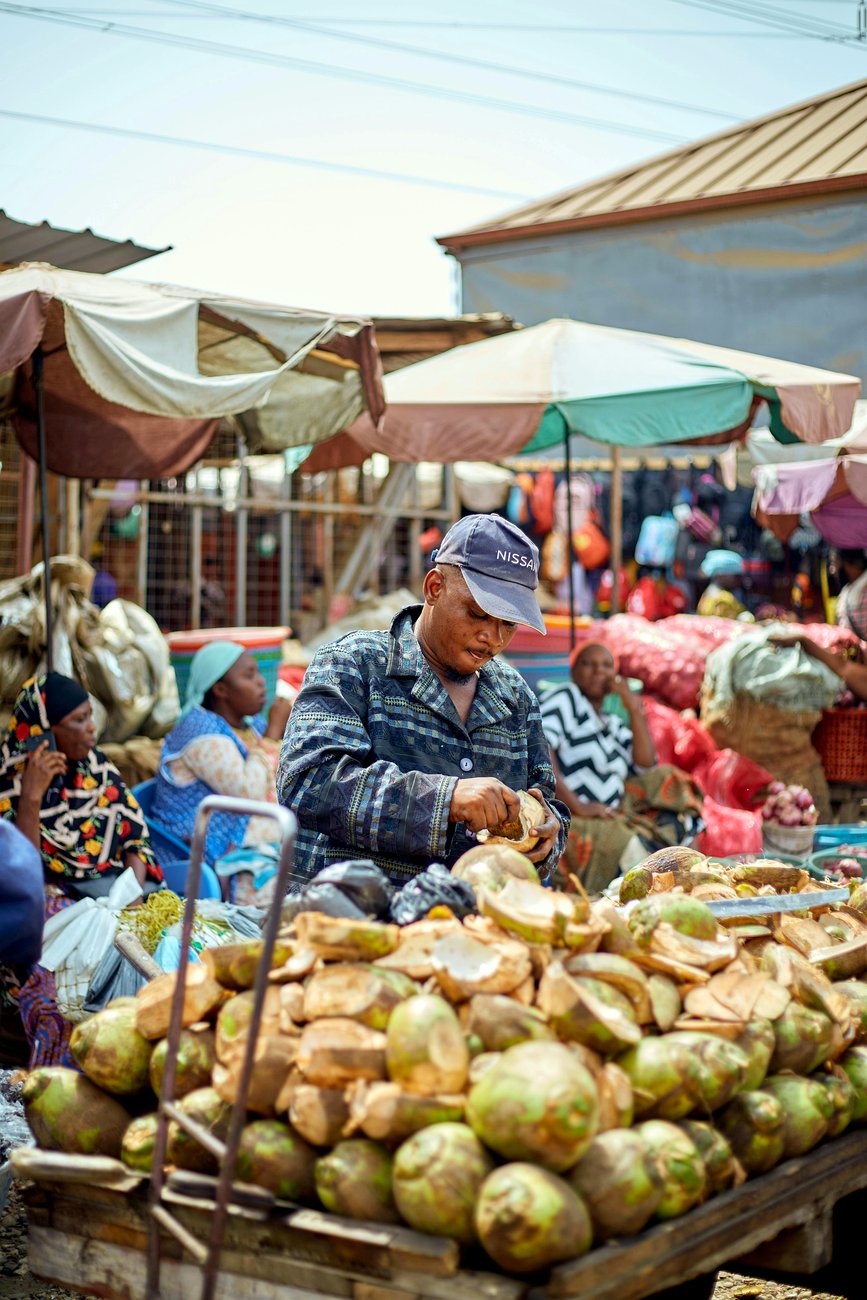
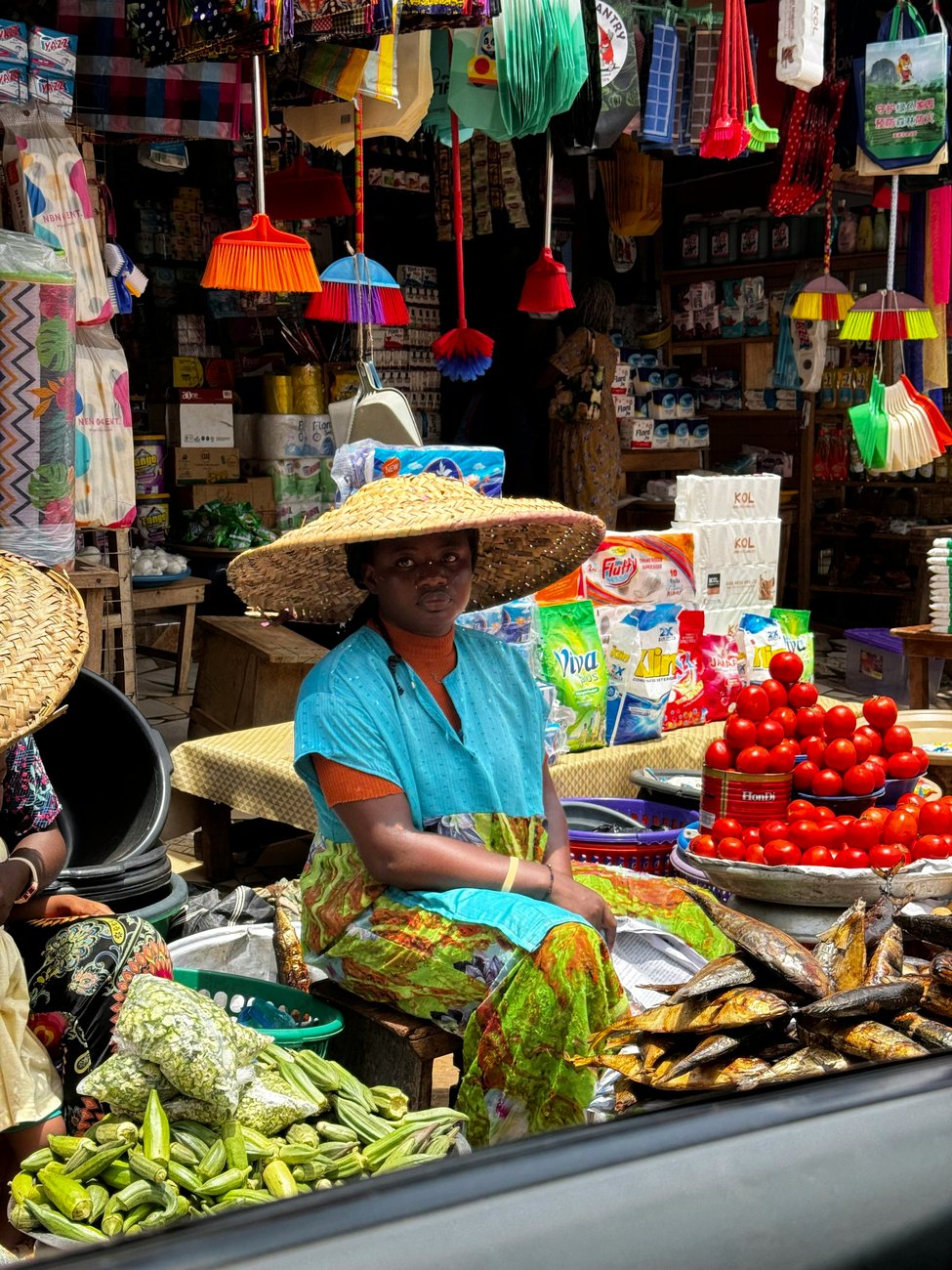
Bringing accessible blood pressure screening and stroke education to Ghana's transport hub communities—the drivers and traders whose interdependent livelihoods form the heartbeat of our economy, yet who have the least access to preventive healthcare.
"Responsible nation-building must include the health of our people. A stopped heart cannot build a nation, but a beating heart can transform one."
As our nation builds toward prosperity, we face an invisible threat that claims more lives than malaria, tuberculosis, and HIV combined. Cardiovascular disease, driven primarily by uncontrolled hypertension, has become the leading cause of death in Ghana.
Hypertension accounts for approximately 91% of stroke cases in Ghana. Cardiovascular deaths have been the leading cause of death since 2017, driven primarily by uncontrolled high blood pressure.
The trotro drivers and market women who power our informal economy are among the most vulnerable, yet least likely to be screened. These are the people who wake before dawn, work through the heat, and keep our communities moving.
They are also the least likely to know they are at risk. It is time to prioritize the hearts of Ghanaians, starting with those who serve the heart of our economy.
Hypertension is often described as a "silent killer" because elevated blood pressure itself does not cause pain. But here is the truth: hypertension is not truly silent. Warning signs do exist.
People do not know what symptoms to watch for, and when symptoms do appear, they are often attributed to other causes—stress, working too hard, or witchcraft. By the time serious symptoms appear, such as stroke, heart attack, or kidney failure, significant damage has already occurred.
When blood pressure reaches dangerous levels (180/120 mmHg or higher), these symptoms may appear:
Persistent pain, especially at back of head
Lightheadedness or feeling faint
Visual changes or seeing spots
Discomfort or pressure in chest
Unexpected bleeding from nose
Difficulty breathing at rest
Irregular or racing heartbeat
Unusual tiredness or weakness
In Ghana, there is another barrier to recognition: superstition. When someone suddenly loses the ability to speak clearly, when one side of their face droops, or when they collapse without warning, these frightening events are sometimes attributed to spiritual causes rather than medical ones.
Symptoms of stroke and hypertensive crisis are sometimes interpreted as curses, witchcraft, juju, or spiritual attacks. This cultural lens can delay life-saving medical intervention. Instead of calling for emergency services, families may first seek spiritual remedies, losing precious minutes when every second counts.
We help Ghanaians understand that these symptoms have a medical explanation rooted in science. We do not dismiss cultural beliefs, but we provide education that empowers communities to recognize the difference between spiritual matters and medical emergencies.
We teach every community member the BE-FAST method for recognizing stroke. Learning these signs could save a life.
GHSI is not just about taking blood pressure readings. We deliver a comprehensive community health intervention built on three pillars.
Knowledge Is Protection
Before we screen, we teach. Our community education sessions provide accessible health information.
Simple, Accessible, Life-Saving
Our screening process is quick, non-invasive, and available where communities already gather.
The Closed Loop That Others Leave Open
Screening events are common. Follow-through is rare. GHSI builds the bridge that others leave unbuilt—tracking patients for 12 months.
One-time screening finds hypertension. GHSI tracks what happens next. We measure not just who was screened, but who made it to a provider, who stayed in care, and whose blood pressure improved.
"The closed loop is the intervention."
Brief intake with basic health history questions to understand each participant's background.
Participants sit quietly for five minutes to ensure accurate readings.
Using validated digital monitors, we take multiple readings following WHO protocols.
Each participant receives a clear explanation of their numbers and what they mean.
Personalized guidance including lifestyle recommendations and referral pathways for elevated readings.
Every participant receives educational materials to take home and share with family.
Our pilot initiative serves one integrated population: informal sector workers at GPRTU transport hubs. Drivers and traders are not two separate groups—they share the same space, interdependent livelihoods, and common barriers to healthcare.
Ghana's essential transport workers face long hours, traffic stress, sedentary patterns, and irregular schedules that put them at high cardiovascular risk.
They transport goods for traders and depend on traders as passengers—their livelihoods are intertwined.
The backbone of Ghana's informal economy, market traders work dawn to dusk with little time for self-care. They often become the last in their families to receive care.
They rely on drivers to move their goods and share the same GPRTU station space—one economic community.
When we set up in a lorry station or marketplace, we do not turn anyone away. Strategic positioning creates a multiplier effect:
"Knowledge is power. Information is liberating. Education is the premise of progress, in every society, in every family."
— Kofi Annan
What this means:
GHSI is not an outside intervention imposed on communities. It is built with communities. We work through existing leadership structures—GPRTU union leaders, market queens, and community elders. These trusted local figures help identify needs, recruit participants, and ensure cultural appropriateness.
What this means:
Every element of our programme is grounded in peer-reviewed research. Our screening protocols follow World Health Organization guidelines. Our community engagement approach builds on successful interventions in sub-Saharan Africa, including Weill Cornell Medicine's religious leader hypertension programme in Tanzania. We use data to measure impact and adjust our approach.
What this means:
We design for permanence, not dependence. By training community health advocates, partnering with local healthcare facilities, and working within existing social structures, we create capacity that persists after grant cycles end.
What this means:
Health education fails when it ignores cultural context. We acknowledge the role of traditional beliefs while providing scientific understanding. We deliver materials in local languages. We respect community hierarchies and customs.
GHSI seeks strategic partnerships to scale our impact. Here is what we need from each partner type.
Streamlined referral pathways, dedicated hypertension clinic slots, medical student collaboration, and outcome tracking.
Enhanced community presence, a pipeline of identified patients, and contribution to national health goals.
Access to lorry stations and markets, mobilization support, public endorsement, and ongoing feedback.
Free health services for members, a healthier workforce, and recognition as health champions.
Congregation education helping members distinguish medical emergencies from spiritual matters, event announcements, and endorsement of seeking medical care.
A healthier congregation, partnership in holistic care for body and spirit, and health ministry training materials.
Financial support, equipment donations (blood pressure monitors, mobile screening units), and technical expertise.
Transparent impact reporting, recognition in programme materials, and measurable health outcomes.
Subsidized screening and management for informal sector workers, and expanded medication coverage.
Prevention of costly complications, a healthier insured population, and public health leadership recognition.
Affordable generic antihypertensive medications, satellite screening points, and staff training on adherence counselling.
Increased foot traffic, community health partner recognition, and participation in pharmacy-based public health model.
Collaboration on referrals when blood pressure is dangerously elevated, integration of screening into traditional practice.
Enhanced credibility through evidence-based partnership, healthier clients, and recognition as part of comprehensive community health.
GHSI is powered by volunteers who believe in accessible healthcare for all. We are looking for passionate individuals to fill key roles as we prepare for our pilot launch.
Licensed physician to oversee clinical protocols, ensure quality of screening procedures, and provide medical guidance. Supervises screening events and manages referral pathways.
Manages day-to-day operations in Ghana: coordinates with GPRTU unions and Market Queen associations, schedules screening events, and oversees local volunteer teams.
Trained volunteers who conduct blood pressure screenings, deliver health education sessions in Twi and English, and help build trust within communities.
Tracks screening outcomes, manages participant data securely, and produces impact reports. Helps measure our progress toward the 1,000-screening pilot goal.
Creates educational materials in local languages, manages social media presence, and helps spread awareness through community networks and media.
Identifies grant opportunities, cultivates donor relationships, and helps secure equipment donations and sponsorships for screening events.
Interested in volunteering? Let us know which role fits your skills and availability.
Apply to VolunteerEvery community deserves access to life-saving education. Every family deserves protection from preventable stroke and heart disease.
Every contribution—whether financial or material—directly supports free blood pressure screenings for Ghana's working communities.
Your financial support funds screening equipment, educational materials in local languages, community health events, and volunteer coordination. Contributions are processed securely through Ko-fi.
Support on Ko-fiWe maintain a wishlist of essential screening supplies including blood pressure monitors, stethoscopes, pulse oximeters, and educational materials. Items ship directly to our team.
Contact for WishlistThe Ghana Hypertension Screening Initiative is a grassroots community health project in its early stages, led by health professionals in the United States and Ghana. We operate through direct volunteer effort and community partnerships.
We are not a registered nonprofit organization. We are neighbors, professionals, and advocates who believe prevention shouldn't be a privilege.
Because we are not a 501(c)(3) or registered charity, contributions to this initiative are not tax-deductible. Your support is a direct gift to community health work, not a charitable donation in the legal sense.
We maintain complete transparency about how every contribution is used. Quarterly updates will be posted on this website, and supporters can request detailed breakdowns at any time.
100% of contributions go toward screening operations. There are no salaries, administrative overhead, or hidden costs. This is volunteer-driven work with one goal: healthier communities.
Questions about our operations, finances, or approach? We welcome them. Reach out through our contact form or email us directly.
Every contribution directly funds the tools and logistics needed to bring free screenings to communities in need.
Blood pressure monitors, stethoscopes, pulse oximeters, and medical supplies for accurate community screenings.
Health education resources translated into Twi and Ga, including pamphlets, posters, and visual aids.
Transportation, venue setup, and coordination for community screening events at lorry stations and markets.
Training materials, coordination tools, and modest stipends for community health volunteers in Ghana.
Our Promise: We do not take salaries or administrative fees. Quarterly financial updates will be published on this website for full accountability.
All statistics cited on this website are drawn from peer-reviewed research.
Comprehensive analysis of 85 studies involving over 82,000 Ghanaians.
PLOS ONE: Prevalence, awareness and control of hypertension in Ghana →Current data on cardiovascular disease as leading cause of death in Ghana.
Frontiers in Public Health: The Ghana Heart Initiative →Population-level data on hypertension in Ghana.
PLOS ONE: Hypertension in Ghanaian Population →Regional screening data and prevalence findings.
SAGE Open Medicine: Prevalence of Hypertension in Ghana →Research on stroke prevalence and hypertension link in Ashanti Region.
Ghana Medical Journal: Stroke in Ashanti Region →Clinical validation of the BE-FAST method for stroke identification.
Stroke Journal: BE-FAST Method →Weill Cornell Medicine research demonstrating effectiveness of religious leader-based hypertension screening and education in Tanzania, with documented improvements in health outcomes.
Cornell Chronicle: Religious leaders fight hypertension in Tanzania →